What You Can Expect From Gum Contouring by a Cosmetic Dentist

Cosmetic dentists know that a beautiful smile goes beyond the appearance of the teeth. When too much of the gums show through when smiling, even perfect teeth can appear unusually short or small. Similarly, an uneven gumline may create an asymmetrical look that detracts from an otherwise beautiful smile. If you are unhappy with how your gums frame your smile, gum contouring might be the answer.
Why consider gum contouring?
Gum contouring, also called gum reshaping, changes the shape of the gumline around one or more teeth. Many patients choose this treatment for cosmetic reasons. For example, when excess gum tissue covers part of the teeth, the teeth may look smaller than they actually are. By gently removing and shaping that tissue, a cosmetic dentist can reveal more of the teeth and improve the appearance of the smile.
This treatment can also help when the gumline looks uneven. One tooth may appear shorter than the one beside it, or the gums may dip lower in one area. Gum contouring helps smooth out those differences so the teeth and gums look more even.
What to expect during the consultation
The cosmetic dentist will start by asking about the patient's pain points and smile goals. They will listen carefully as the patient explains what bothers them about their smile, such as a gummy appearance, uneven gum tissue, or teeth that look too short. This step is important because cosmetic issues are all about perception.
From there, the dentist will explain how much gum tissue may need to be reshaped to achieve the desired look. Some patients only need a small adjustment on one or two teeth. Others may need several areas treated to create a more even smile line. A clear plan helps patients understand what treatment can realistically achieve.
The consultation also involves an oral health check. The dentist will examine the teeth, gums, bite, and overall oral health to decide whether gum contouring is a good fit. If a patient has gum disease, swelling, or active infection, those concerns should be treated before cosmetic gum reshaping begins.
What happens on treatment day?
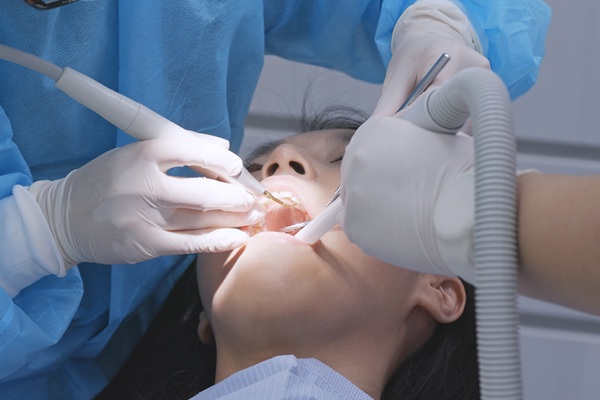
A cosmetic dentist will focus on comfort throughout the gum contouring procedure. Local anesthetics are often used to numb the area so the patient does not feel pain during treatment. Once the gums are comfortable, the dentist reshapes the tissue according to the treatment plan. They may use a dental laser or traditional hand tools. With either, the goal is to remove only the amount needed to create a more balanced gumline.
The length of the appointment depends on how many teeth are being treated. On average, gum contouring takes about one to two hours.
The recovery process
Patients may notice mild soreness, swelling, or tenderness for a few days after gum contouring. These symptoms are common and should improve as the tissue settles. Soft foods can support healing and make the first few days more comfortable. The cosmetic dentist will explain when normal eating habits can resume.
Be gentle with the treated gumline as it heals. The dentist may recommend careful brushing, gentle rinsing, or other steps to keep the area clean. Following their instructions closely helps protect the healing tissue and promotes a smoother recovery.
Get more information from a cosmetic dentist
Gum contouring can make the smile look more balanced by improving the shape of the gumline. Many appreciate that the treatment focuses on reframing the natural teeth rather than changing the teeth themselves. To learn more, contact Delaware County Dental today.
Request an appointment here: https://delcodental.com or call Delaware County Dental at (484) 900-8973 for an appointment in our Morton office.
Recent Posts
Seeing a cosmetic dentist can bring dramatic improvements to your smile. The experience can even enhance your oral health. Knowing what to look forward to from this dental care provider can prepare you for your appointment. Here are the things to anticipate from a cosmetic dentist.Visiting a cosmetic dentist for the first time can be…
Traditionally, dental restorations require an individual to have a physical impression of their mouth taken. Impressions are necessary to accurately create an indirect dental restoration, which are restoration made outside of the oral cavity and applied at a later time. Dental crowns, veneers, inlays and onlays are all examples of restorations that require impressions in order to…
There is no one-size-fits-all answer to whether a smile makeover or a single cosmetic dental treatment is better. A smile makeover includes multiple procedures to improve the overall shape, color, and alignment of a smile in a planned order. However, some individuals may only need one cosmetic dental treatment to achieve their smile goals. The…
Wondering whether a general dentist can perform a smile makeover? Some general dentists are deciding to undergo the necessary training and education so they can offer their patients cosmetic dental options. Now dental patients have more choices when it comes to choosing the right type of dental professional to perform their smile makeover.Understanding that there…